
Somos uno de los mejores redes
de universidades al nivel nacional.
Más de 100 años al Servicio de la misión educativa en el Perú. Somos instituciones sin fines de lucro cuya misión es educar.
La primera Universidad Católica del Perú fue fundada en 1917
Congresos
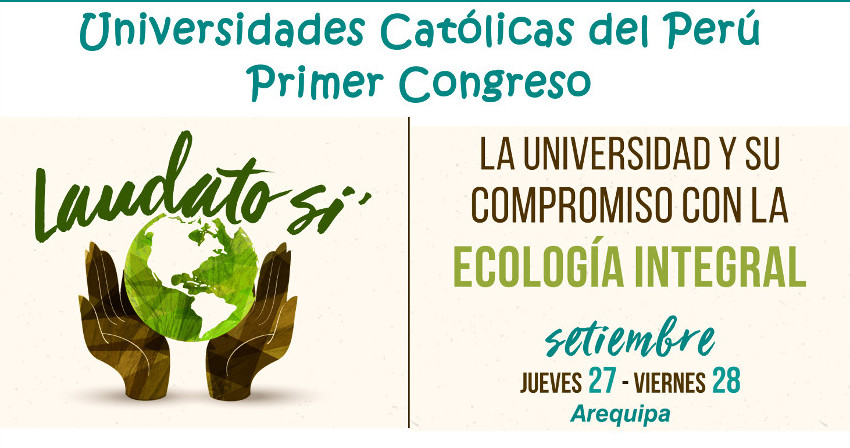
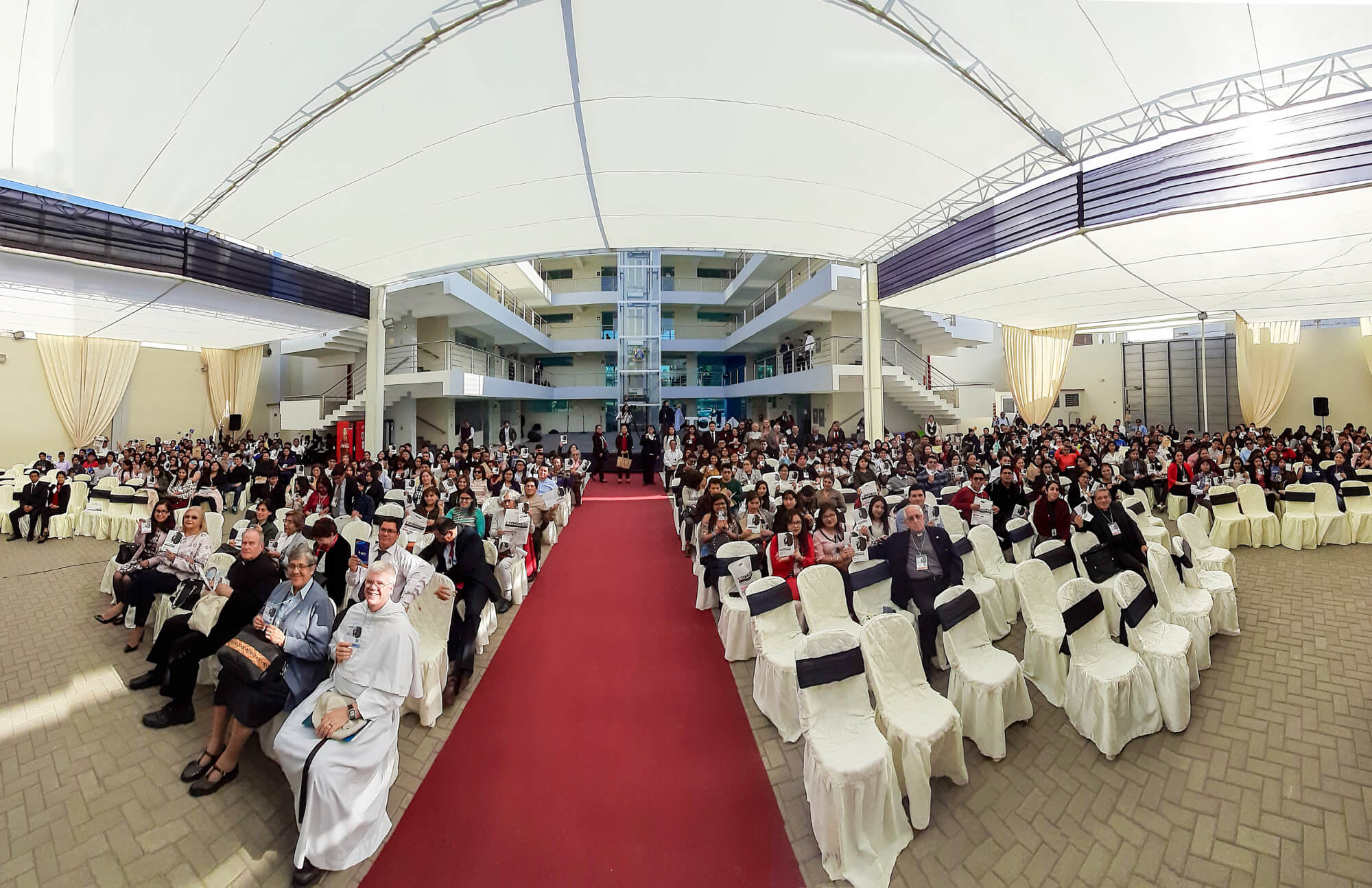
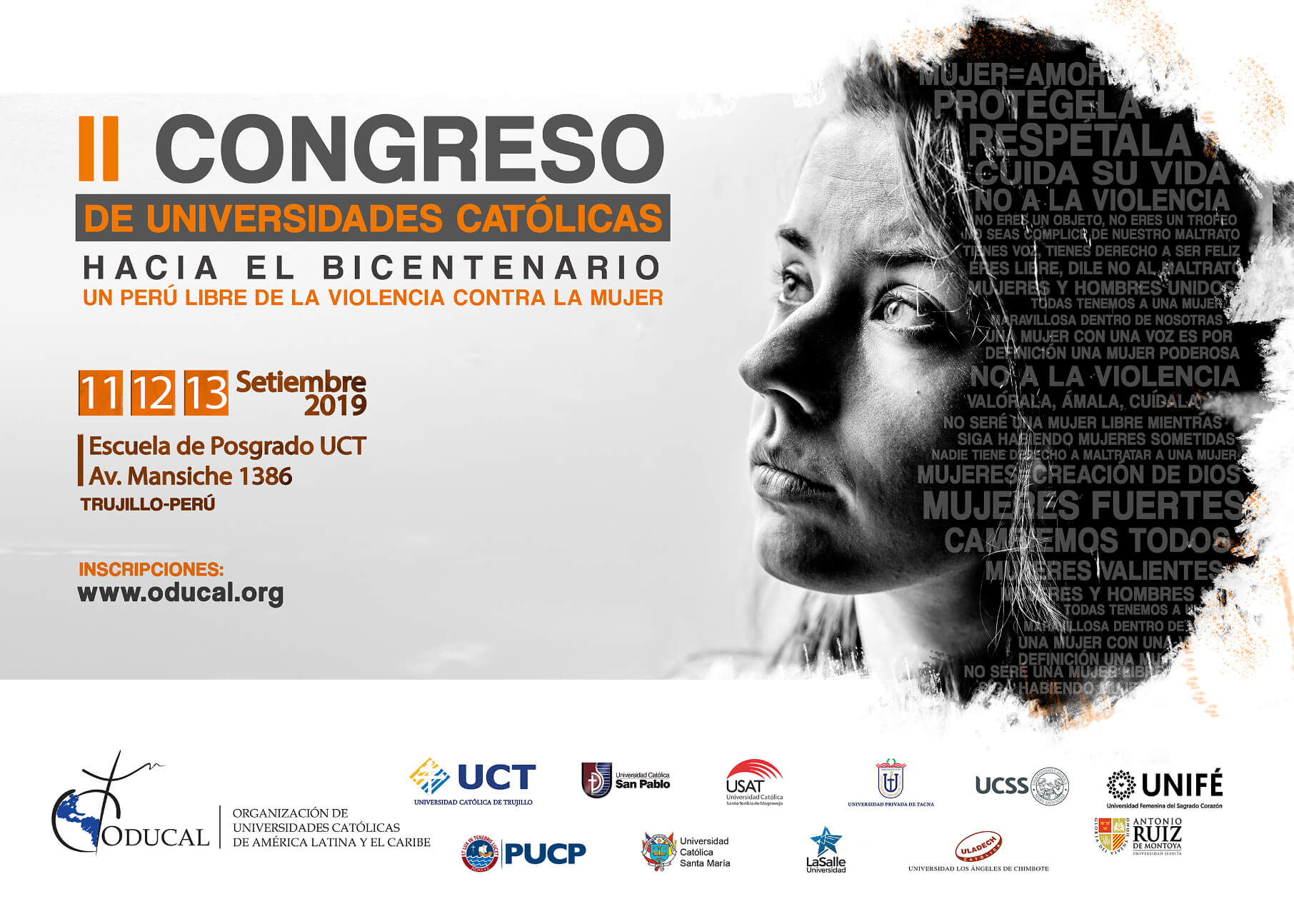
Cada año las Universidades Católicas organizan un Congreso sobre un tema social para Ver la Realidad, Juzgarla desde los valores y hacer acciones para mejorarla.
Cursos Virtuales
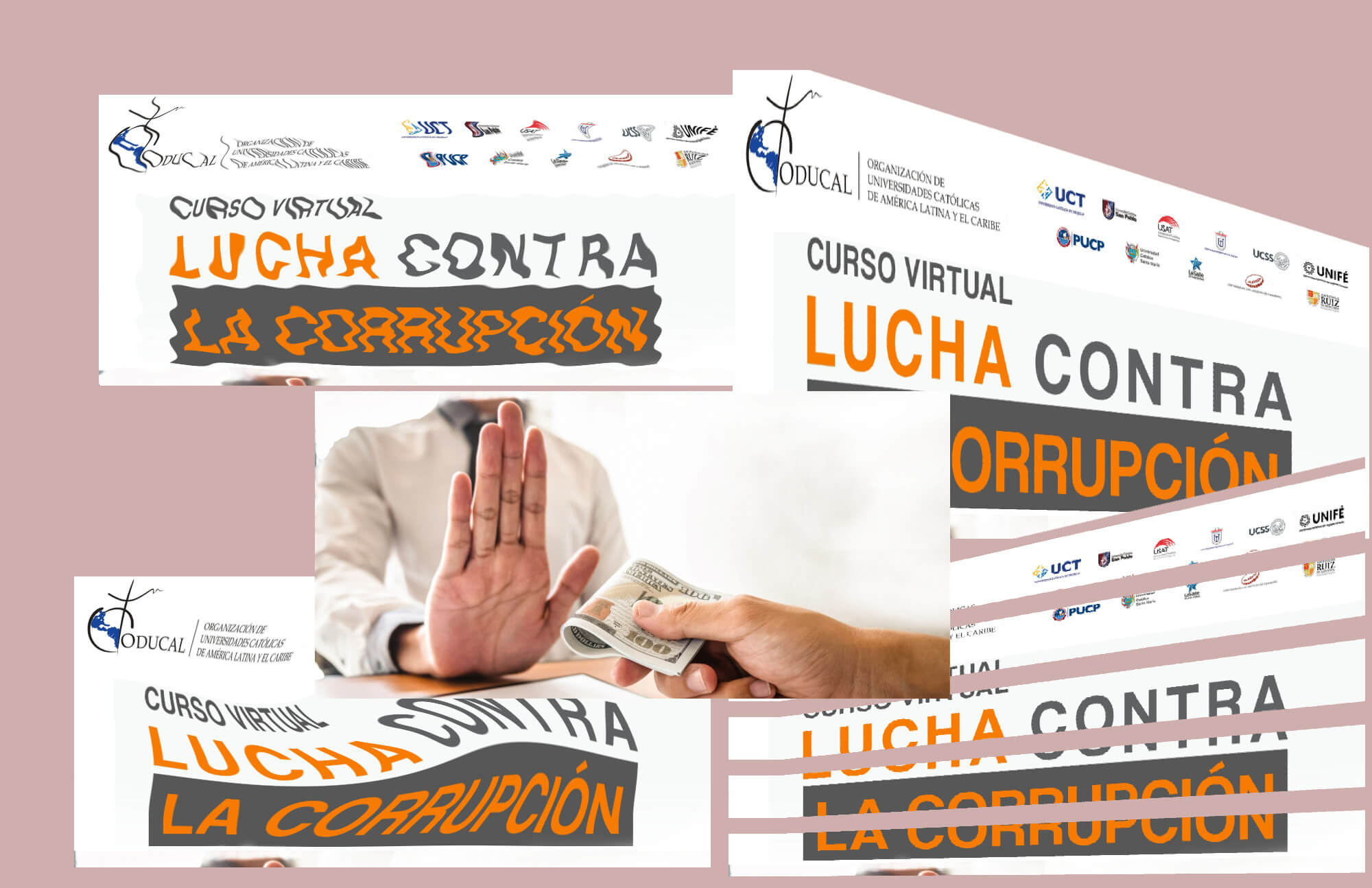
Cursos Desarrollados para enfocar sobre un tema específico con el fin de ofrecer una formación continua en valores.

Movilidad
Las Universidades Católicas de América Latina abren la posiblidad de movilidad estudiantil y docente a más de 100 instituciones prestigiosas
ODUCAL Perú
Somos 11 instituciones de Educación Universitaria a nivel nacional.
Miembros
Nuestra misión es Educar
A diferencia de la mayoría de universidades privadas, nuestra meta no tiene fines lucrativas. Por lo cual todo los recursos son reinvertidos en las necesidades de la universidad para servir mejor a los estudiantes y la sociedad. Somos parte de la Iglesia Católica y al servicio de la formación y desarrollo integral de todos y cada uno(a). Nuestra misión sigue el mandato del Señor de Ir y Enseñar.
Nuestros Miembros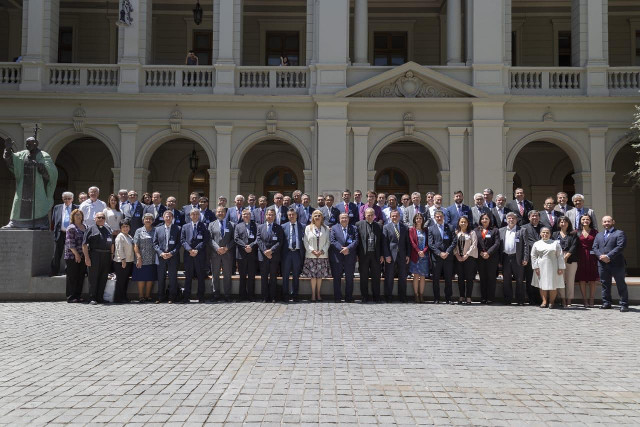
Los rectores de las Universidades Católicas se reunen con frecuencia para elaborar proyectos de colaboración.
Los(as) Rectores actuales: Dr Carlos Garatea Grau (PUCP) Dr. Alberto Briceño Ortega (UCSM) Hna. Dra. Carmela Alarcón Revilla (UNIFE) Dr. Julio Domínguez Granda (ULADECH) Dr. Javier Ríos Lavagna (UPT) Dr German Chávez Contreras (UCSP) Dra Patricia Campos Olazabal (USAT) RP. Dr. César Buendía Romero (UCSS) RP. Dr. Juan José Lydon McHugh, OSA (UCT) RP. Dr. Ernesto Cavassa Canessa SJ (UARM) Dr. Patricio Quintanilla Paulet (LaSalle)
Contribuir al progreso del saber y a la elaboración de un mundo más justo y más humano, a la luz de la fe cristiana y gracias al espíritu del Evangelio